
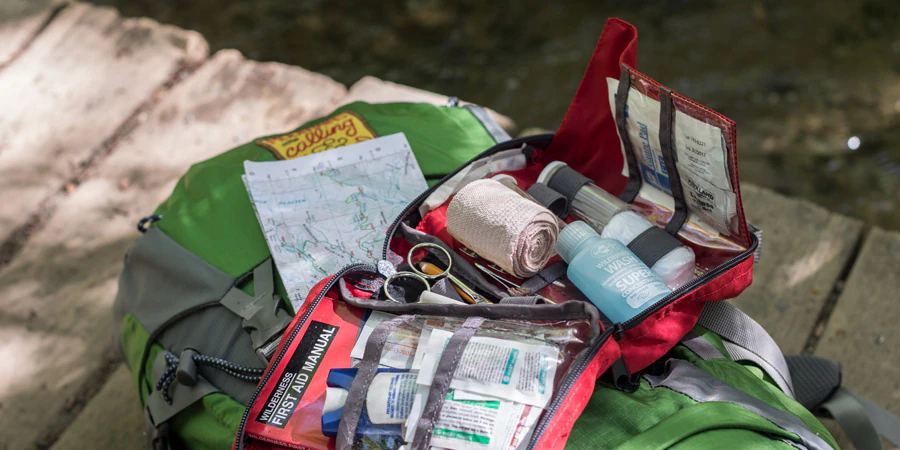
You know the moment. You are already outside, miles from home or deep into a relaxing day at the park, and suddenly something small but crucial is missing. Not the big obvious gear, but the little things that quietly hold everything together. These overlooked essentials often make the difference between a smooth outing and a frustrating experience.
This guide dives into those easily forgotten outdoor items. Not just a checklist, but a deeper look at why they matter, how they fail you, and how to stay one step ahead. If you spend any time outdoors, from casual picnics to full weekend trips, this is for you.Power Problems Nobody Plans For
Why small batteries become big problems
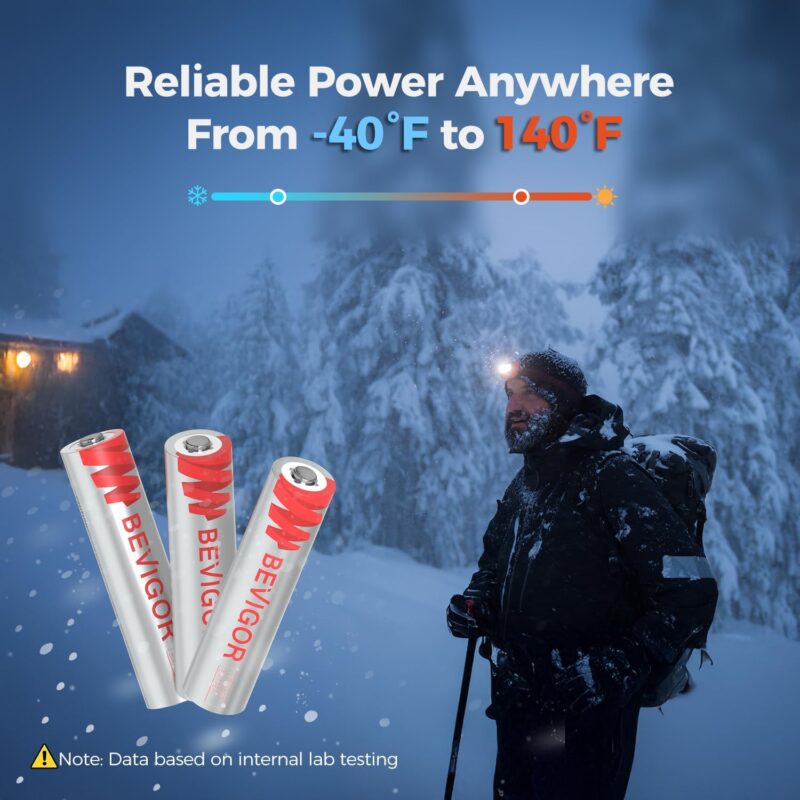
It is easy to assume your devices will last the day. Flashlights, headlamps, GPS trackers, and even some camping gear rely on small power sources. When they fail, everything slows down or stops.
Bevigor triple A battery can make a real difference, especially for devices you depend on in low-light or emergency situations. The importance of a dependable triple A battery is often underestimated until you are stuck without light or navigation.
Consider how many outdoor tools quietly rely on these:
- Headlamps for evening visibility
- Portable radios
- Compact fans in warm weather
- Emergency signal lights
Forgetting spare batteries is not dramatic at first. It becomes a problem when conditions change.
The “I Thought I Packed That” Category
There is a certain category of items that people mentally check off without actually packing. These are the silent culprits behind most outdoor inconveniences.
Here are a few that fall into that trap:
- Reusable wipes or tissues for unexpected messes
- A small towel for spills or sudden rain
- Extra zip bags for trash or wet gear
These items do not feel essential when you are packing. But once you need them, their absence is immediately obvious. They solve problems before they grow, and they weigh almost nothing.
Most outdoor discomfort does not come from major failures, but from small inconveniences stacking up over time.
Bringing these items adds a layer of resilience to your trip.
When Weather Shifts Faster Than You Expect
Weather changes rarely announce themselves politely. A clear morning can quickly turn into wind, drizzle, or intense sun. The small protective items are often what people skip.
Consider this comparison:
| Situation | Without Essentials | With Essentials |
| Sudden rain | Wet clothes, discomfort | Quick cover, stay dry |
| Strong sun | Sunburn, dehydration | Protection, steady energy |
| Wind exposure | Cold, irritation | Maintained comfort |
What makes the difference?
- Compact poncho
- Foldable hat
- Lightweight sunscreen
These are not bulky or expensive, but they prevent your outing from turning unpleasant. Planning for small shifts keeps your experience consistent instead of reactive.
Lighting: More Than Just Visibility
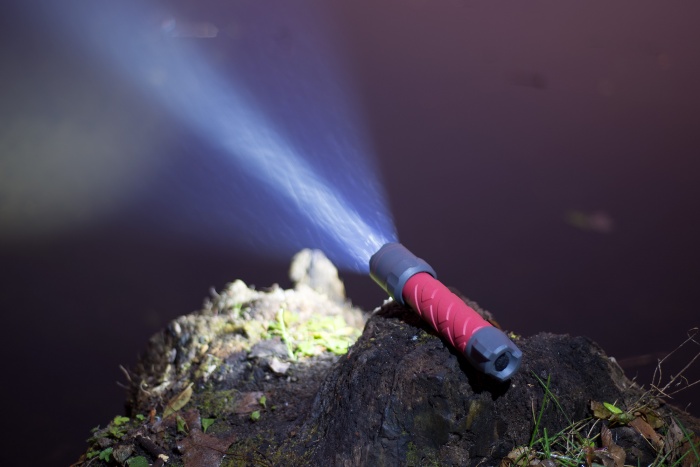
Lighting is often treated as an afterthought, especially on short trips. But once natural light fades, even slightly, the environment changes quickly.
A simple flashlight or headlamp powered by a dependable triple A battery can provide:
- Safer movement across uneven terrain
- Better visibility for cooking or organizing gear
- Reduced stress in unfamiliar surroundings
Many people assume their phone flashlight is enough. It rarely is. Dedicated lighting tools are brighter, last longer, and free up your hands.
Even a 30-minute delay outdoors after sunset can significantly reduce visibility depth perception, increasing the chance of small injuries.
Good lighting is not just convenience. It is a safety tool.
The Comfort Gap Most People Ignore
Comfort is not just luxury. It directly affects how long you enjoy being outside. Small items that improve comfort are often the first ones left behind.
Think about:
- A compact seat pad
- Lip balm or skin protection
- Lightweight gloves for cooler evenings
These are not critical in a survival sense, but they shape your overall experience. Discomfort builds slowly, and once it sets in, it is hard to ignore.
Adding just one or two comfort-focused items can extend your time outdoors and make the experience more enjoyable. It is not about overpacking, but about smart packing.
Hydration Tools Beyond the Bottle
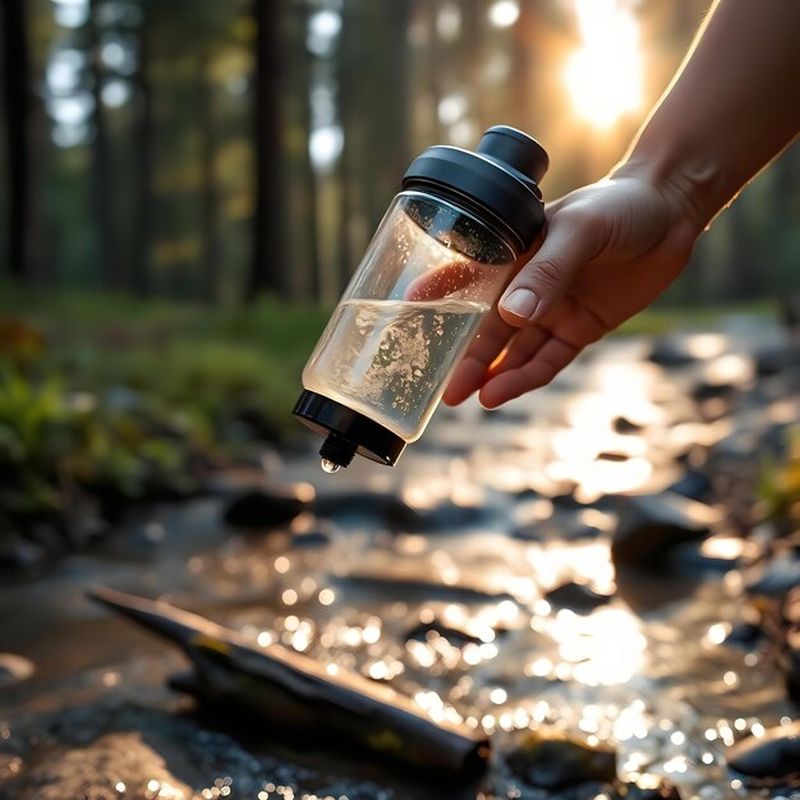
Everyone remembers to bring water. Fewer people think about how they will manage it.
Hydration tools often overlooked include:
- Electrolyte packets to maintain energy
- Collapsible cups for sharing or refilling
- Water purification tablets for longer outings
These items support your hydration instead of just supplying it. Especially during longer or warmer trips, water alone may not be enough.
A well-planned hydration setup prevents fatigue, headaches, and reduced focus. These issues can appear quickly and quietly if ignored.
Organization Makes Everything Easier
When items are scattered, you lose time and patience. Small organizational tools can transform your experience.
Consider adding:
- Mini pouches for grouping items
- Carabiners for quick access
- Labeling for shared gear
These tools do not just save space. They reduce friction. You spend less time searching and more time enjoying your surroundings.
Good organization also helps in unexpected situations. When something goes wrong, knowing exactly where your essentials are makes a big difference.
The Backup Mindset

One of the most important outdoor habits is thinking in terms of backups. Not for everything, but for critical small items.
A second triple A battery, an extra lighter, or a spare cloth can turn a potential problem into a non-issue.
This mindset is not about overpacking. It is about identifying what would matter most if it failed.
Key principle: Pack backups for the smallest items that have the biggest impact.
When you apply this approach, your outings become more predictable and less stressful.
What Really Matters
Outdoor preparation is often framed around big gear. Tents, backpacks, and clothing get most of the attention. But the reality is different. Small items quietly determine how smooth or frustrating your experience becomes.
From something as simple as a triple A battery to a compact towel or electrolyte packet, these details shape the day in subtle but powerful ways.
The goal is not to carry more. It is to carry smarter. Once you start paying attention to these overlooked essentials, you will notice how often they come into play.
Next time you pack, pause for a moment. Think about the small things you needed last time but did not have. That is where real improvement begins.