
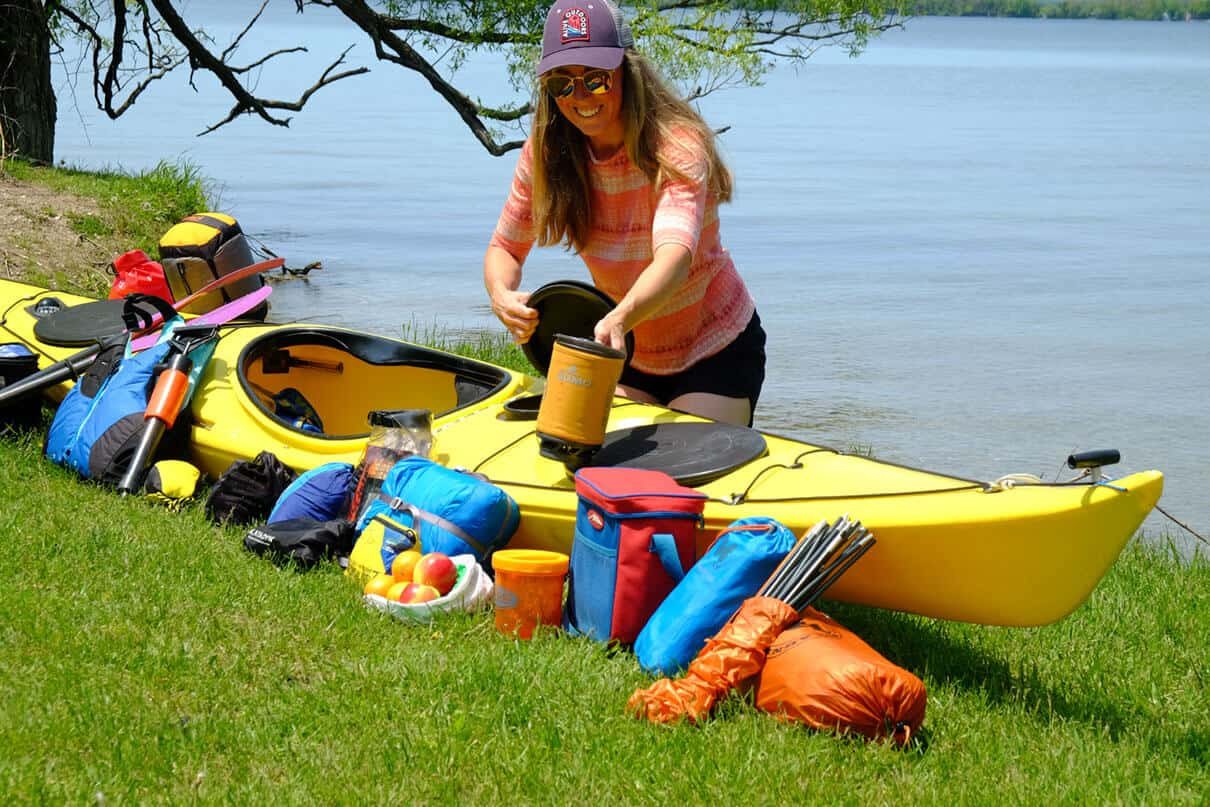
If you’ve ever packed for a standard backpacking trip, you already know how to think about weight, weather, and survival basics. But kayak and canoe camping is a different animal altogether.
Your boat becomes both your vehicle and your pack, and that changes everything about how you approach your gear list. The waterways don’t forgive unpreparedness the way a trail does, and a sudden shift in current, wind, or weather can turn a fun paddle into a serious problem if you’re not properly equipped.
Unlike hiking trips, paddling excursions introduce gear you won’t find on any trail packing list — a proper boat anchor, for instance, is essential for keeping your kayak or canoe secure when you stop to make camp along a riverbank or lakeshore.
This guide covers everything you need for a multi-day paddling trip, not just the camping basics you’d bring on any hike-in outing, but the specific gear that separates a paddler who’s truly prepared from one who’s improvising on the water.
Why Paddling Trips Require a Different Packing Strategy
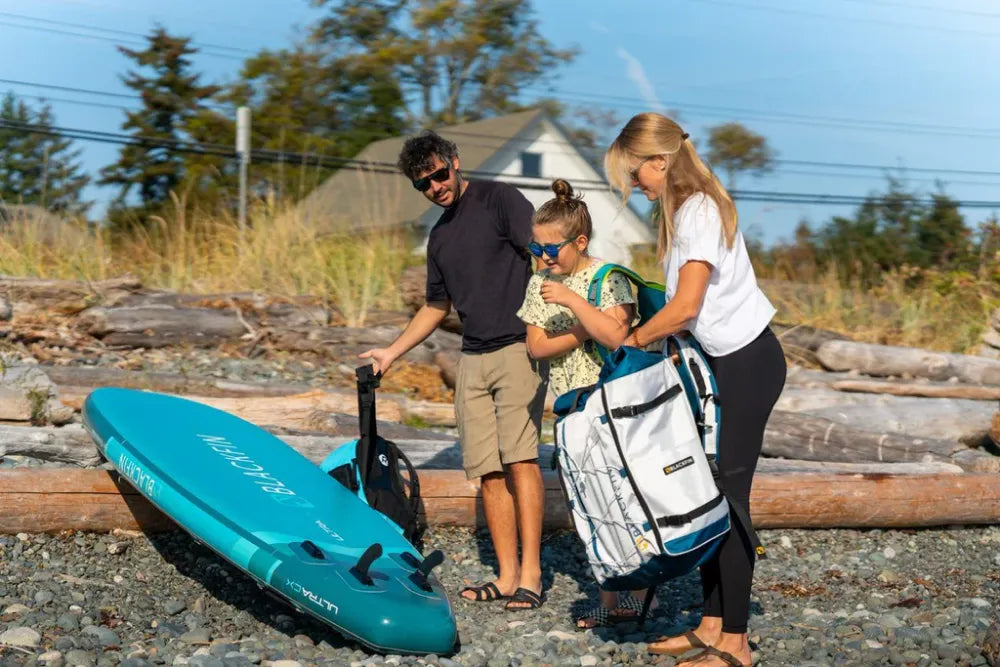
On a hiking trip, your back tells you immediately when you’ve overpacked. Paddling trips have a sneakier way of punishing poor planning. Your kayak or canoe has limited hatch space, and everything you bring must fit inside sealed compartments or be secured to the deck — and all of it must survive water exposure.
Even on a calm, flat-water trip, the risk of a capsize is real, which means if your gear isn’t in a dry bag or waterproof container, it isn’t really protected.
There’s also the matter of weight distribution. Loading too much gear to one side or too far forward or aft throws off your boat’s trim, makes paddling harder, and compromises stability.
Experienced paddlers think about gear in terms of which hatch it goes into and how it balances the load — not just whether it fits. Getting that system right before you launch makes every mile on the water easier.
Water Safety Gear You Cannot Leave Behind
Water safety gear isn’t optional — it’s the foundation of your entire packing list. Before a single camping item goes into a dry bag, your safety kit needs to be accounted for and within reach. This is not gear that belongs buried in a rear hatch. It’s gear that needs to be on your person or immediately accessible at all times.
Personal Flotation Devices
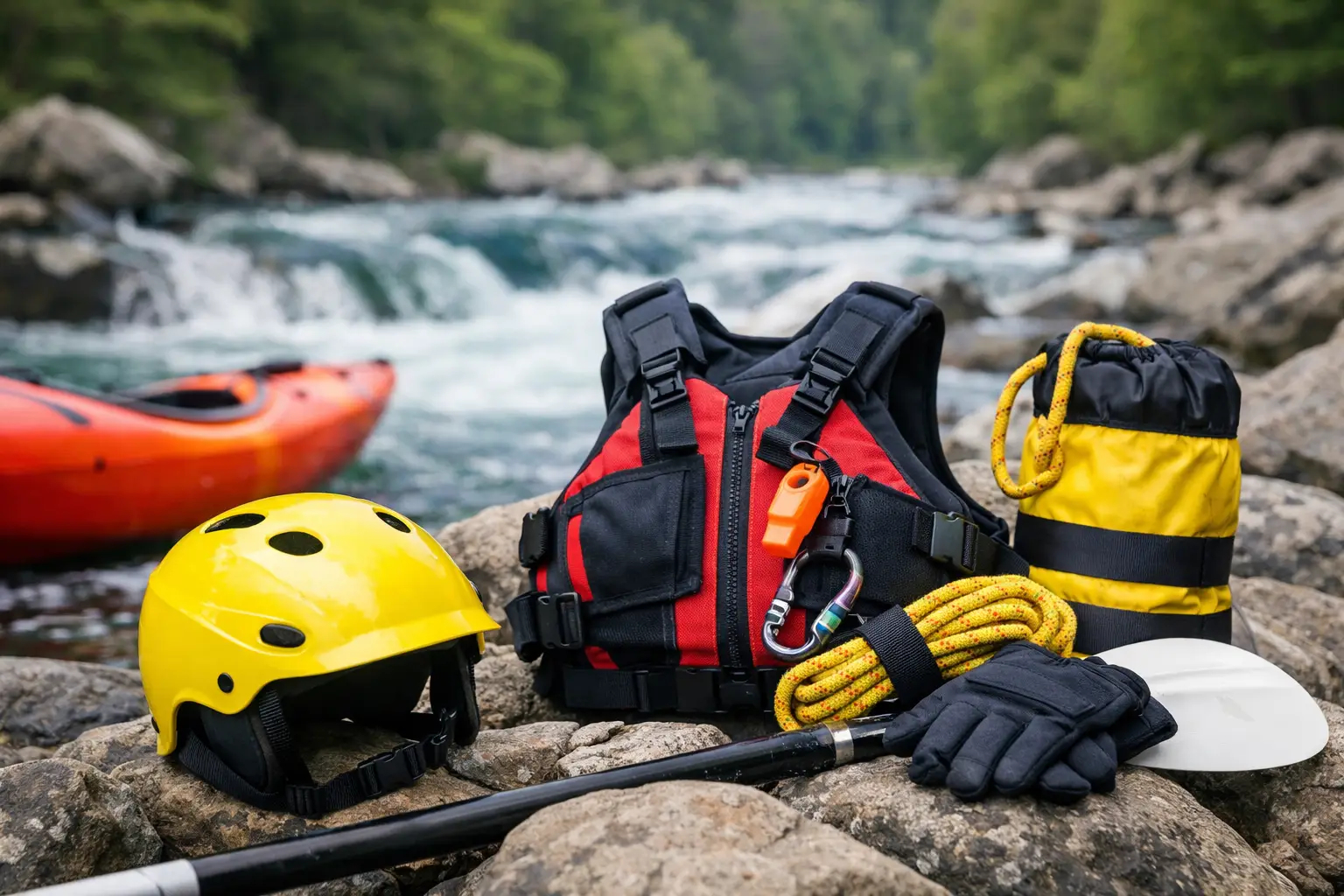
Every paddler in your group needs a properly fitted PFD, and it needs to be worn — not clipped to the back deck where it does nothing if you go over. Type III PFDs are the standard choice for recreational paddlers.
They’re comfortable enough for full-day wear and provide enough flotation to keep your head above water if you capsize. For river trips with moving water, consider stepping up to a Type V whitewater PFD, which offers a higher level of protection against the forces of current.
A spare PFD is also worth packing on longer trips or any outing where you’re carrying a passenger in a canoe.
Throw Bag and Signaling Devices
A throw bag is a rescue rope coiled inside a deployment bag that can be launched in seconds toward a swimmer in moving water. It’s one of the most critical safety items for river trips and often required on guided outings.
Pair it with a pealess whistle — the Fox 40 design is the standard choice — which can be heard at distance and functions reliably when wet. For open-water lake trips, a waterproof signaling mirror and a marine flare kit round out your signaling options and cover scenarios where a whistle alone won’t reach far enough.
Bilge Pump and Paddle Float
Even if you never capsize, water gets into the cockpit. Rain, wave splash, and wet gear all accumulate over a multi-day trip. A hand bilge pump lets you clear water quickly without beaching the boat.
A paddle float is the other half of the self-rescue equation — it slides over one blade of your paddle and turns it into a makeshift outrigger so you can climb back into a swamped kayak in open water without assistance.
Together, these two items form your core self-rescue system. Both should be stowed where you can reach them while you’re in the water, not locked inside a sealed hatch.
- Type III or Type V PFD (worn, not stowed)
- Throw bag with a minimum 50-foot line
- Pealess whistle on a lanyard
- Hand bilge pump and paddle float
- Waterproof signaling mirror or marine flare kit
Anchoring and Securing Your Kayak or Canoe at Camp
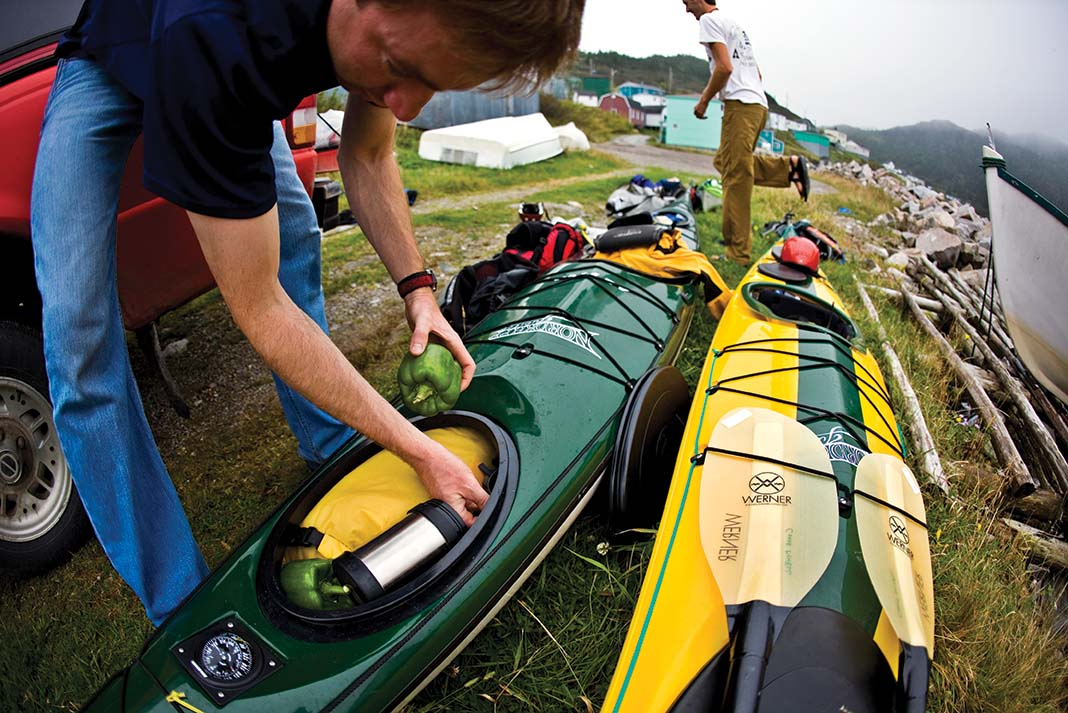
One of the most overlooked items on any paddling trip packing list is a reliable way to secure your boat when you’re not in it. When you pull up to a campsite along a river or lakeshore, you need your kayak or canoe to stay exactly where you left it — especially overnight or when wind picks up after dark.
Tying off to a tree or rock works in calm conditions, but current and wind can work a line loose, and a floating boat can cover a lot of ground before you realize it’s gone.
A dedicated boat anchor gives you a secure hold in situations where tying to shore isn’t possible or practical. This matters most on lakes where the bank is too shallow to drag the boat fully ashore, or on rivers where current applies constant pressure against any improvised tether.
For kayaks and canoes, a compact folding grapnel anchor in the 1.5 to 3-pound range is typically the right choice — it collapses for easy storage in a hatch, deploys quickly, and holds well in both rocky and soft-bottom conditions.
Pair your anchor with a proper length of anchor line — as a general rule, seven to ten times the water depth — and a carabiner or small cleat to prevent the line from working loose. On river trips, also bring a ground stake and mallet as a backup.
Driving a stake into a soft bank gives you a controlled hold in beaching situations where the current angle makes anchoring offshore less effective.
Dry Bags and Waterproof Storage
Your entire gear organization system on a paddling trip is built around dry bags. Unlike a hiking pack where a rain cover and water-resistant zippers can get you through most storms, paddling requires hard waterproofing for anything that matters.
A capsize, a wave across the bow, or even a sloppy entry on a wet morning can soak unprotected gear in seconds.
The most practical approach is to pack by category and match bag size to what you’re storing.
Roll-top dry bags sealed with a minimum of three rolls are the most reliable option — squeeze out excess air before sealing and check for leaks before the trip by inflating the bag and pressing down on it.
Here’s how experienced paddlers typically break down their storage system:
| Gear Category | Recommended Dry Bag Size |
| Sleeping bag and pad | 20–30 liter roll-top |
| Clothing | 10–20 liter roll-top |
| Camp kitchen and food | 10 liter bag + hard-sided container |
| First aid kit | 5 liter bag or small dry case |
| Electronics and navigation | 2 liter bag or waterproof hard case |
A smaller waterproof deck bag mounted to the front of your kayak handles items you need access to while on the water — snacks, sunscreen, a map, and your phone. Keep that bag light and accessible without making it a distraction when you’re paddling in anything other than flat, calm conditions.
Paddling Equipment and Navigation
Spare Paddle and Paddle Leash
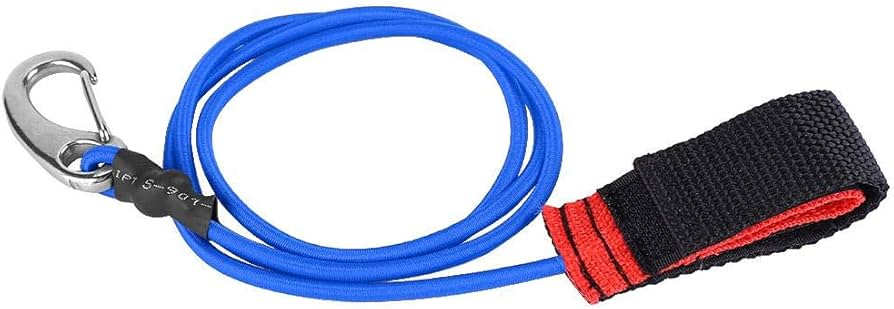
A paddle leash seems like a minor accessory until your paddle floats downstream from a capsized boat in moving current. Clip one end to your wrist or the boat’s rigging and that scenario never becomes a problem.
Beyond the leash, a spare paddle is not optional on a multi-day trip. For kayakers, a breakdown paddle that disassembles into two or four sections stores neatly in a rear hatch without taking up meaningful space.
Canoeists typically bungee an extra paddle to the thwarts along the gunwale where it’s out of the way but instantly reachable. Losing your only paddle miles from the put-in is the kind of problem no campsite fix can solve.
Spray Skirt or Canoe Cover
For kayakers, a spray skirt seals the cockpit opening and prevents water from splashing in during rougher conditions or breaking waves. It also retains warmth on cold-water trips where the wind chill from paddling drops the cockpit temperature significantly.
For canoeists heading out onto open lakes or exposed river sections, a spray cover that snaps over the gunwales performs the same function — it keeps the interior dry in wave action and prevents the canoe from swamping in a sudden squall. If your paddling stays strictly on slow, sheltered rivers, a canoe cover is optional. On exposed water, it’s not.
Navigation and Communication
A waterproof topographic map in a clear map case is still the most dependable navigation tool on the water, and it doesn’t rely on battery life or a satellite signal.
Pair it with a deck-mounted compass for open-lake crossings where distant landmarks aren’t reliable enough to hold a heading. For communication, a handheld VHF marine radio is the gold standard on coastal and large-lake trips — it provides NOAA weather forecasts and access to Channel 16, the international distress frequency.
On remote river corridors where VHF range is irrelevant, a satellite communicator like the Garmin inReach Mini provides two-way messaging and emergency SOS capability anywhere on the planet with a clear view of the sky.
Shelter, Sleep, and Camp Cooking
Tent and Sleep System
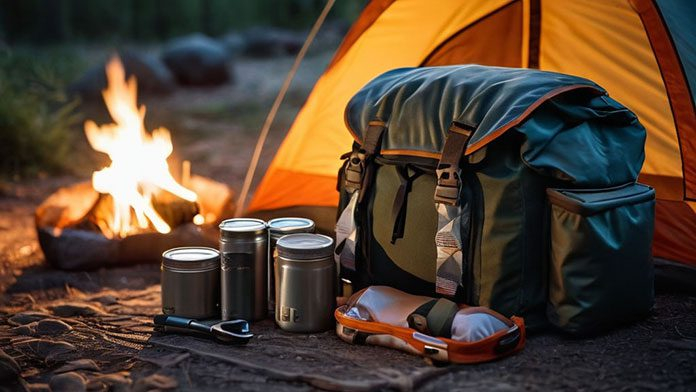
Most of what you’d pack for a standard backcountry camping trip applies here, with a few key adjustments. Your tent needs to pack down small enough to fit inside a dry bag and, ideally, into a hatch. A freestanding three-season tent that collapses into its own stuff sack is the practical standard for canoe camping.
Solo kayak campers often go even lighter with an ultralight one-person tent or bivy, where every liter of packed volume matters.
Your sleeping bag should be rated below the expected low temperature for your trip dates. Down fill compresses better and is more storage-efficient in tight hatches, but synthetic insulation holds its warmth even when damp — an important advantage in a wet environment where condensation and splash are a fact of daily life.
For sleeping pads, an inflatable pad packs the smallest but carries the risk of a puncture. A thin closed-cell foam pad is indestructible and light enough to lash to the outside of a canoe without a second thought.
Camp Kitchen
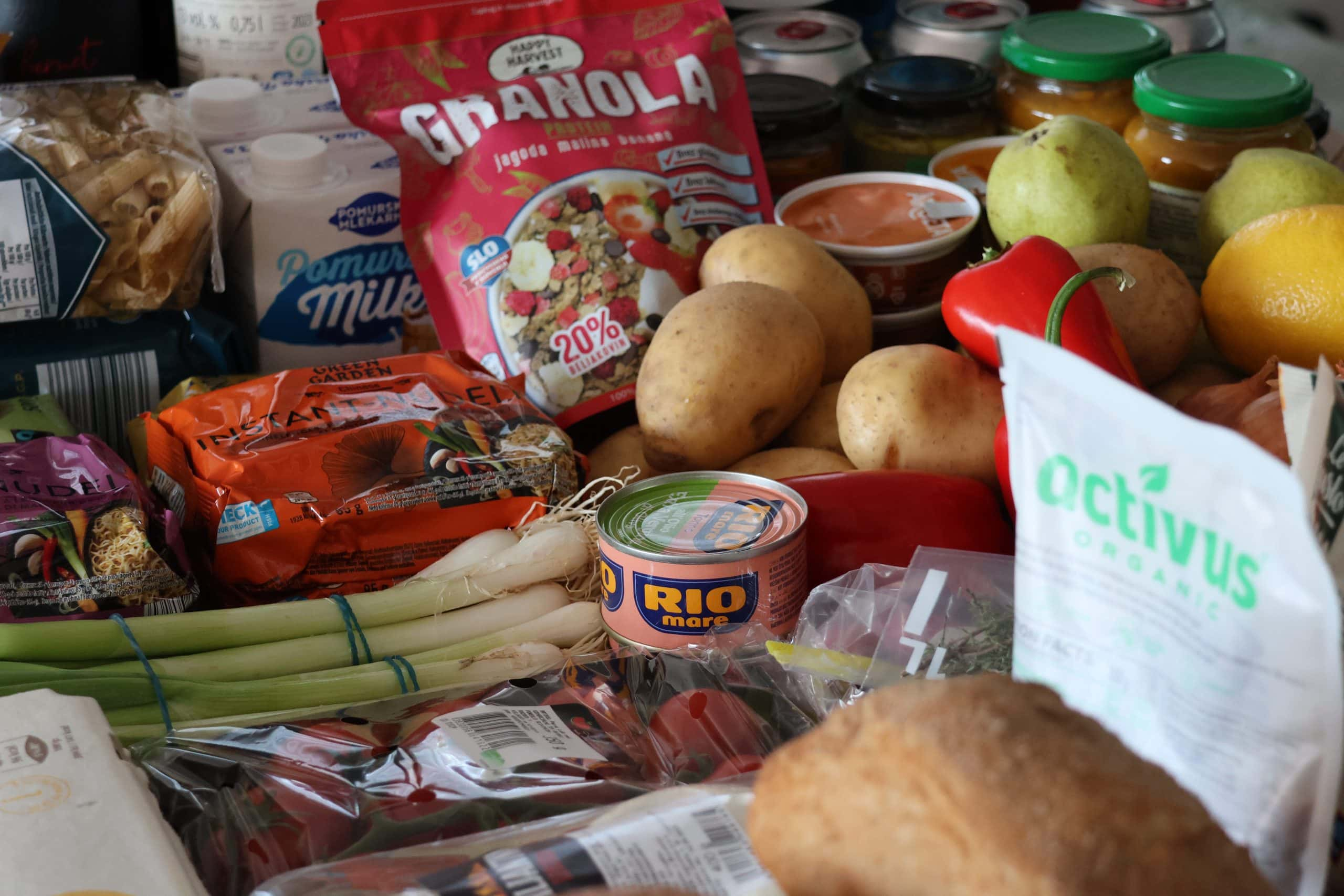
Cooking on a paddling trip mirrors backcountry backpacking in its priorities — lightweight, compact, and fast. A small canister stove or alcohol stove handles boiling water and heating meals without adding meaningful weight to your load.
A single compact pot with a lid that doubles as a pan, a folding spork, and a lightweight cutting board are enough for most multi-day menus. Where paddling differs from hiking is in food transport.
Everything edible needs to go into sealed dry bags or hard-sided containers — not just to keep out water, but to prevent condensation from softening packaging and introducing moisture into food that’s meant to stay dry.
On trips through bear country, a hard canister fits inside most kayak front hatches and takes the guesswork out of food storage compliance.
Clothing for On and Off the Water
Dressing for a paddling trip means planning for immersion first and air temperature second. The standard guidance is to dress for the water temperature, not the weather.
Cold water — anything below about 60°F — can cause cold shock and rapid muscle incapacitation within minutes of an unplanned swim, even on a warm, sunny afternoon. A wetsuit or drysuit is the appropriate response to cold-water conditions, not a rain jacket over a cotton shirt.
In warmer water conditions, quick-dry synthetic layers and a paddling jacket provide adequate protection against wind and splash. Keep a completely separate set of dry clothes sealed in a bag that you don’t open until you’re off the water and in camp.
That discipline — keeping your camp clothes dry no matter what — makes a significant difference in comfort and warmth after a long day of paddling.
- Wetsuit or drysuit (matched to water temperature)
- Paddling jacket or dry top
- Quick-dry synthetic base layers (two sets minimum)
- Fleece mid-layer and insulated jacket for camp
- Water shoes or neoprene booties for on-water use
- Sun hat, UV-rated sunglasses, and paddling gloves
- Separate camp clothes and sandals kept in a sealed dry bag
First Aid and Boat Repair
Your first aid kit for a paddling trip needs to go further than a standard day-hike setup. Remote water environments mean longer emergency response times, and the injuries that happen on the water — hypothermia, cuts from submerged rocks, shoulder dislocations from high-bracing, and abrasions from unexpected swims — require more than a few bandages.
At minimum, pack wound closure supplies, a SAM splint, blister treatment, pain and anti-inflammatory medication, an emergency mylar blanket, and any prescriptions you rely on. A CPR face shield takes up almost no space and covers scenarios that nothing else in your kit does.
Your repair kit is equally important, and paddling introduces a few specific items worth knowing before you leave the put-in:
- Duct tape or Gorilla tape for hull, hatch cover, and gear repairs
- Aquaseal or hull repair epoxy for composite or fiberglass boat damage
- Replacement hatch gaskets or spare O-rings
- Zip ties, baling wire, and a compact multi-tool or fixed-blade knife
If you’re paddling an inflatable kayak, bring a patch kit specifically rated for your boat’s material and practice using it before you go. A small leak in calm water is an inconvenience. The same leak developing several miles from the takeout in current is something else entirely.
Pack Smart, Paddle Confident
Getting your gear right before a kayak or canoe camping trip isn’t about hauling everything you might possibly need. It’s about knowing what the water demands that the trail doesn’t.
When your safety kit is solid, your storage is organized around dry bags, your boat is properly secured at camp, and your clothing accounts for water temperature as much as air temperature, you can put your focus where it belongs — on the paddle and the water in front of you.
Go through this checklist before every trip and adjust it for the specific body of water you’re heading into.
A protected lake paddle and a multi-day whitewater river trip call for different gear priorities, and knowing those differences before you launch is what keeps a good trip from turning into a hard one.