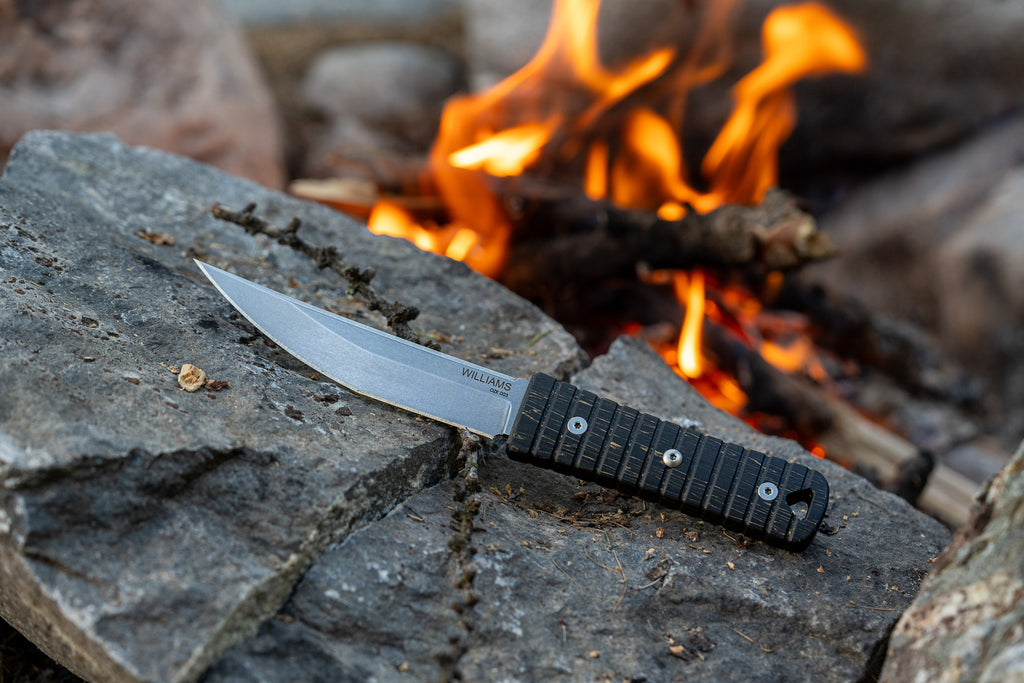
There is a moment in a high-stress situation when your brain stops thinking and starts reacting. In that moment, your gear either works with you or against you. The difference often comes down to one thing: whether you trust what is in your hand.
This is not about superstition. It is about how the human brain performs under pressure.
What Actually Happens to Your Brain Under Stress?
When threat levels spike, your prefrontal cortex, the part responsible for deliberate decision-making, gets partially shut out. Your brain shifts to faster, more automatic processing. Cognitive resources become scarce. Every extra decision you have to make in that state costs you time and accuracy.
Researchers at the U.S. Army Research Laboratory have documented that cognitive load under stress directly degrades fine motor performance. In one study, soldiers under simulated combat stress showed a 23% increase in task completion time when using unfamiliar equipment compared to gear they had trained with extensively.
That gap is not small. In a field scenario, 23% can be the difference between a controlled outcome and a bad one.
A custom blade reduces that gap. Here is why.
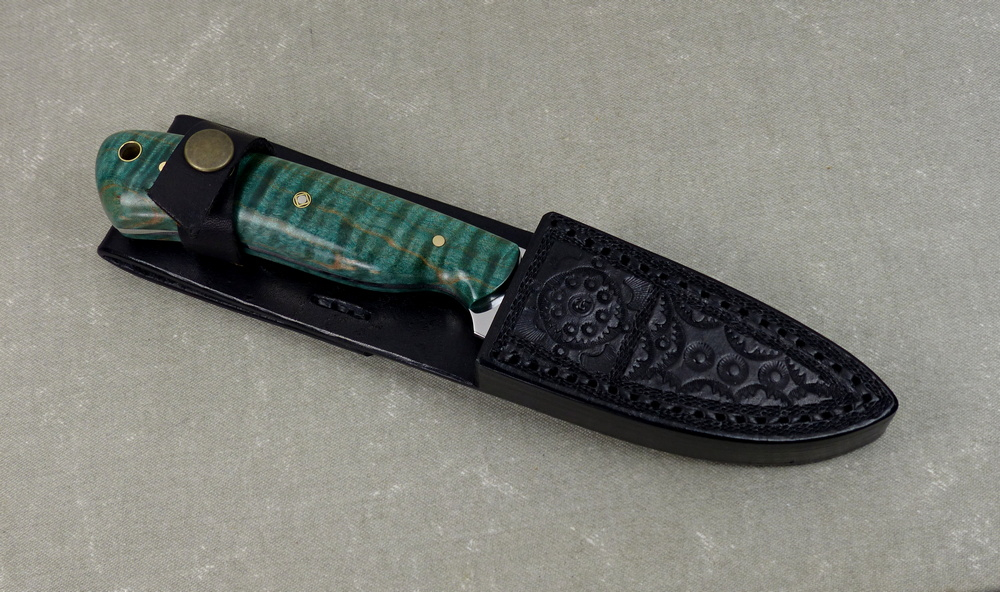
The psychological bond between a carrier and their blade is never accidental — it is built through repeated, reliable performance under pressure. That reliability begins at the manufacturing level: blades forged from premium steels like M390 or Damascus, fitted with ergonomic Micarta or Carbon Fiber handles, eliminate the micro-doubts that surface in critical moments.
This is precisely why serious EDC users and field professionals gravitate toward custom-made knives — bespoke tools engineered around the hand that carries them, not mass-produced for the hand of no one in particular. When the locking mechanism holds without hesitation and the grip feels like an extension of your own anatomy, trust stops being a feeling and becomes a physical fact.
How Does a Custom Knife Build Deeper Psychomotor Trust?
A production knife is built for an average hand. Your hand is not average. It has a specific grip width, finger length, and dominant pressure points. When a handle does not match those parameters, your grip compensates. That compensation is unconscious, but it is real, and it costs you processing power.
Think of it like a rifle that has never been zeroed for you personally. You can shoot it. You might even shoot it well. But there is always a small correction happening in the background.
Your body is constantly adjusting for a tool that was not built around your mechanics.
A custom blade eliminates that background correction. The handle geometry, blade length, guard placement, and balance point are set to your specific hand and use case.
After enough repetitions, the knife stops being an object you hold and becomes an extension of your grip. Neuroscientists call this tool embodiment. Your brain literally begins to map the blade as part of your body schema.
Once that happens, deployment becomes automatic. You stop thinking about the knife. You think about the problem.
The Real Cost of “Good Enough” Production Gear
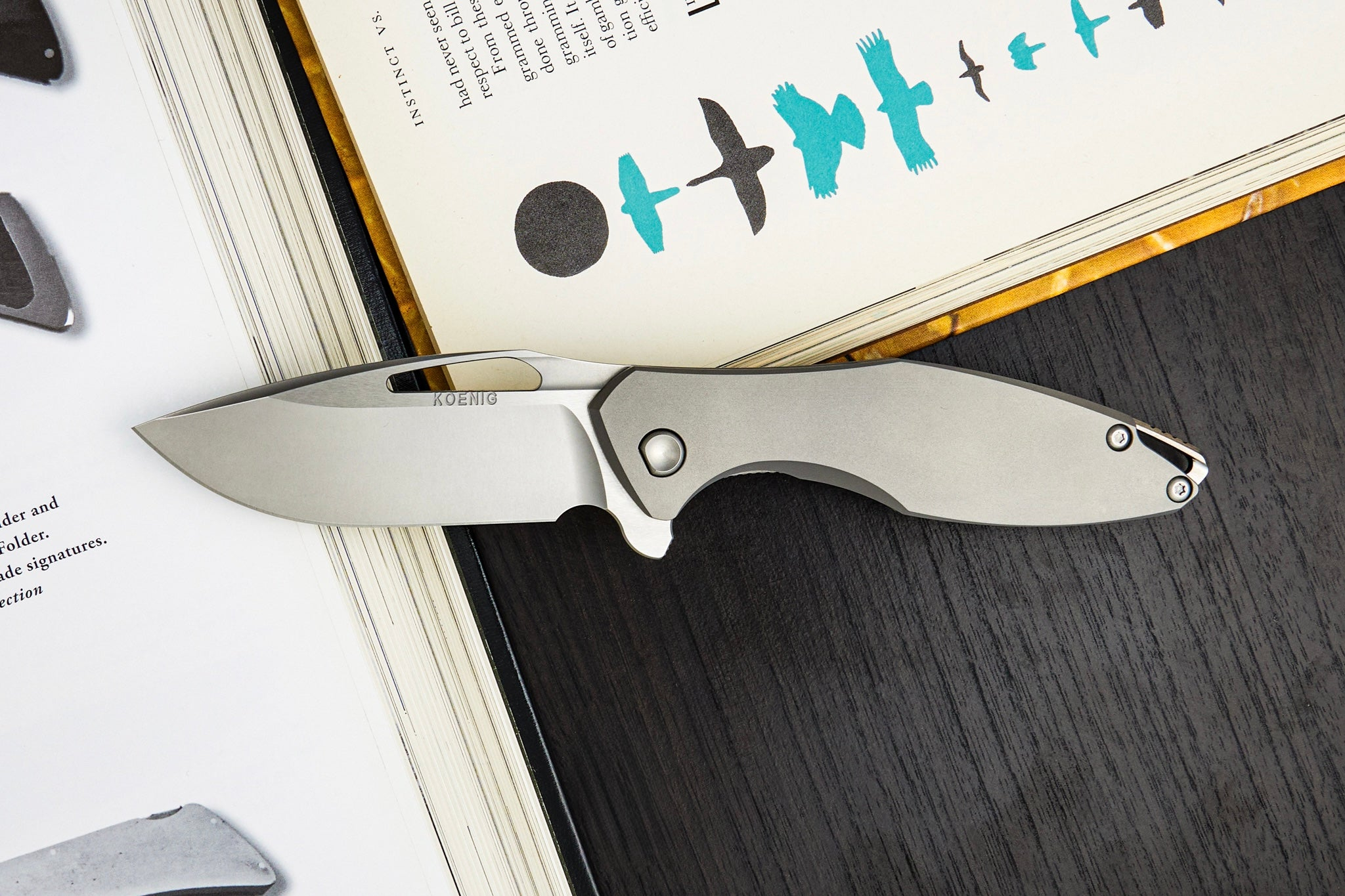
Production knives are not bad tools. Many are excellent. But choosing a production knife over a custom one involves a real trade-off that most people do not fully account for.
When you choose a production blade for its availability and lower cost, you accept a handle geometry designed for statistical averages, not your hand. You accept a blade profile optimized for general use, not your specific tasks.
And you accept that building deep psychomotor trust with that tool will take longer, because your body has to work around its compromises rather than with its design.
The cost of that compromise is not visible on a spec sheet. It shows up in the field, under pressure, when your grip shifts slightly on a wet handle that was never shaped for your palm.
Expert Tip from Dr. Michael Asken, Performance Psychologist and author of “Warrior Mindset”: “Equipment familiarity is not a luxury. It is a performance variable. When an operator has to consciously manage their tool, they have less mental bandwidth for threat assessment.
Gear that fits becomes invisible. Gear that doesn’t fit becomes a distraction at the worst possible moment.”
Custom vs. Production: A Direct Comparison
The table above reflects a consistent pattern reported by military and law enforcement professionals who have transitioned from issued gear to custom tools.
The upfront investment in a custom blade is real. The return on that investment is measured in reduced hesitation and faster, cleaner execution under stress.
What Field Experience Actually Shows
A MARSOC operator who transitioned to a custom fixed blade after two deployments with issued gear described the shift this way: before the custom knife, he was always aware of the tool.
After six months of training with the custom blade, he stopped being aware of it entirely. It was just there when he needed it.
That is the target state. Not confidence in the knife as an object. Confidence expressed as the complete absence of doubt about the knife.
A similar pattern appears in hunting contexts. A backcountry elk hunter who switched from a production skinner to a custom blade with a handle shaped to his grip reported that field dressing time dropped from an average of 34 minutes to 26 minutes over a season. The blade geometry was the same.
The difference was grip fatigue and control precision over a sustained task.
Three Steps to Building Real Trust in Your Custom Blade
- Commission the blade around your actual use case, not a general category. Tell the maker your primary tasks, your hand dimensions, your dominant grip style, and the conditions you work in. A blade built for cold-weather glove use has different handle geometry than one built for bare-hand precision work.
- Train with it before you need it. Psychomotor trust is not built by carrying a knife. It is built by repetition under realistic conditions. Draw, deploy, and use the blade in training until the movements are fully automatic.
- Maintain it yourself. The physical act of sharpening and caring for your blade deepens your familiarity with its geometry and edge behavior. You learn how it responds. That knowledge becomes part of your confidence.
Does the Psychological Benefit Justify the Investment?
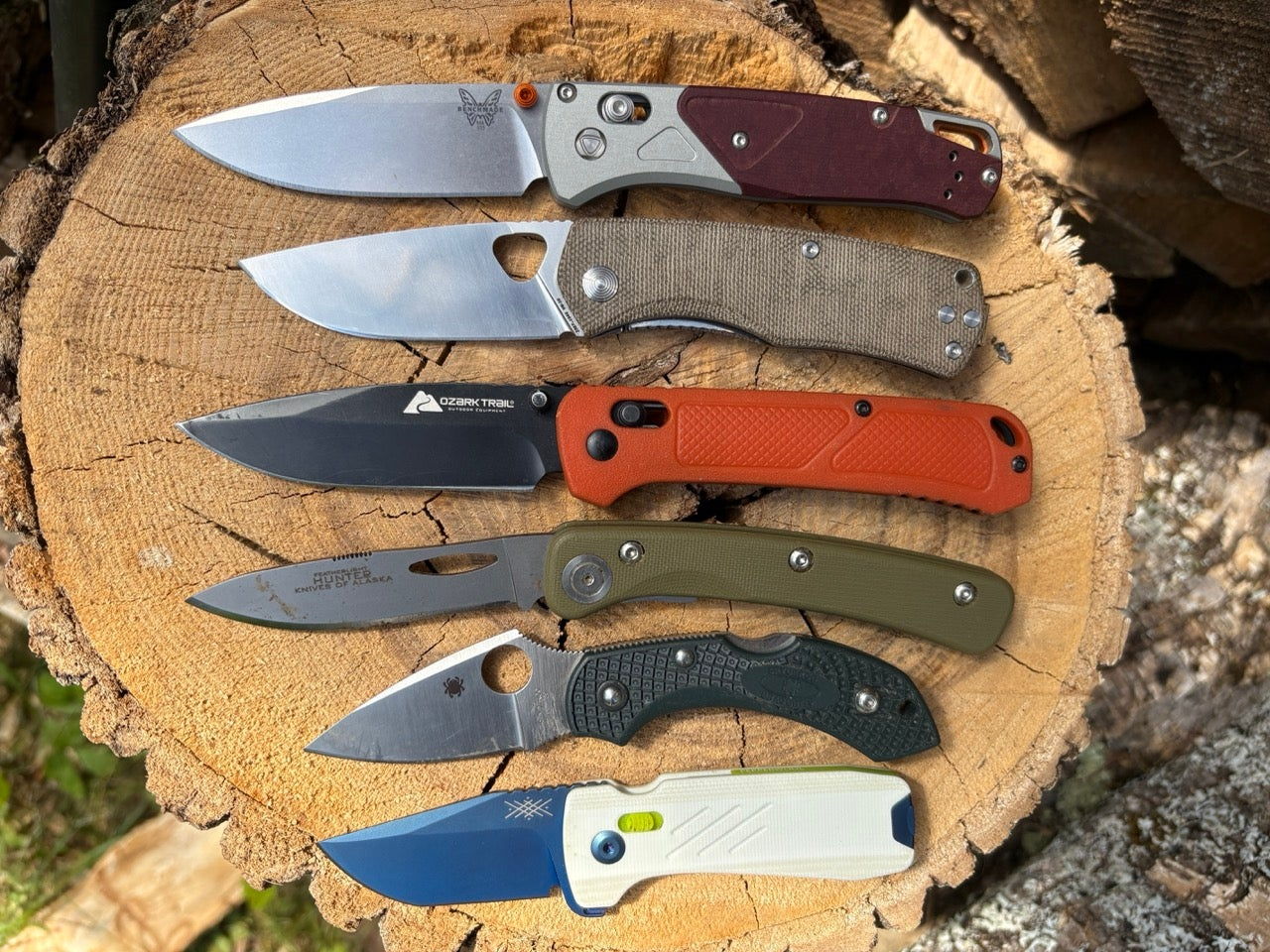
For someone who carries a blade as a working tool in high-stakes environments, yes. The psychological benefit is not abstract. It is a measurable reduction in cognitive load at the moment when cognitive resources are most scarce.
The blade you trust completely is the blade you stop thinking about. And in a critical situation, every unit of mental bandwidth you free up from managing your gear goes directly toward managing the problem in front of you.
Expert Tip from Craig Douglas, combatives instructor and founder of Shivworks: “Most people underestimate how much of their performance ceiling is set by equipment familiarity. I have watched skilled operators fumble with perfectly functional gear under stress because they had not built genuine automaticity with it. A custom fit accelerates that process significantly.”
The Deeper Mechanism: Why Familiarity Becomes Confidence
There is a concept in sports psychology called pre-performance routine. Athletes use it to reduce anxiety and prime automatic execution. The physical familiarity of a known tool serves the same function for tactical operators and hunters.
Gripping a handle you know completely, one that has been in your hand through hundreds of repetitions, triggers a neurological state associated with competence and control.
This is not a placebo effect. Research published in the journal Psychological Science found that physical familiarity with tools activates the same neural pathways as procedural memory, the deep, automatic kind of memory that does not degrade under stress the way declarative memory does.
- The weight distribution you know without thinking
- The grip texture your palm recognizes before your brain registers it
- The draw angle your wrist executes without a conscious command
These are not small things. They are the mechanical foundation of performance under pressure.
What This Means for Your Next Blade Decision
A custom knife is not a status symbol. It is a performance tool built around a specific human being for specific conditions. The psychological trust it generates is a direct product of that fit. And that trust, expressed as reduced hesitation, lower cognitive load, and faster automatic execution, is a real operational advantage.
The blade that fits you perfectly is the blade you stop managing. That is when it starts saving your life.