
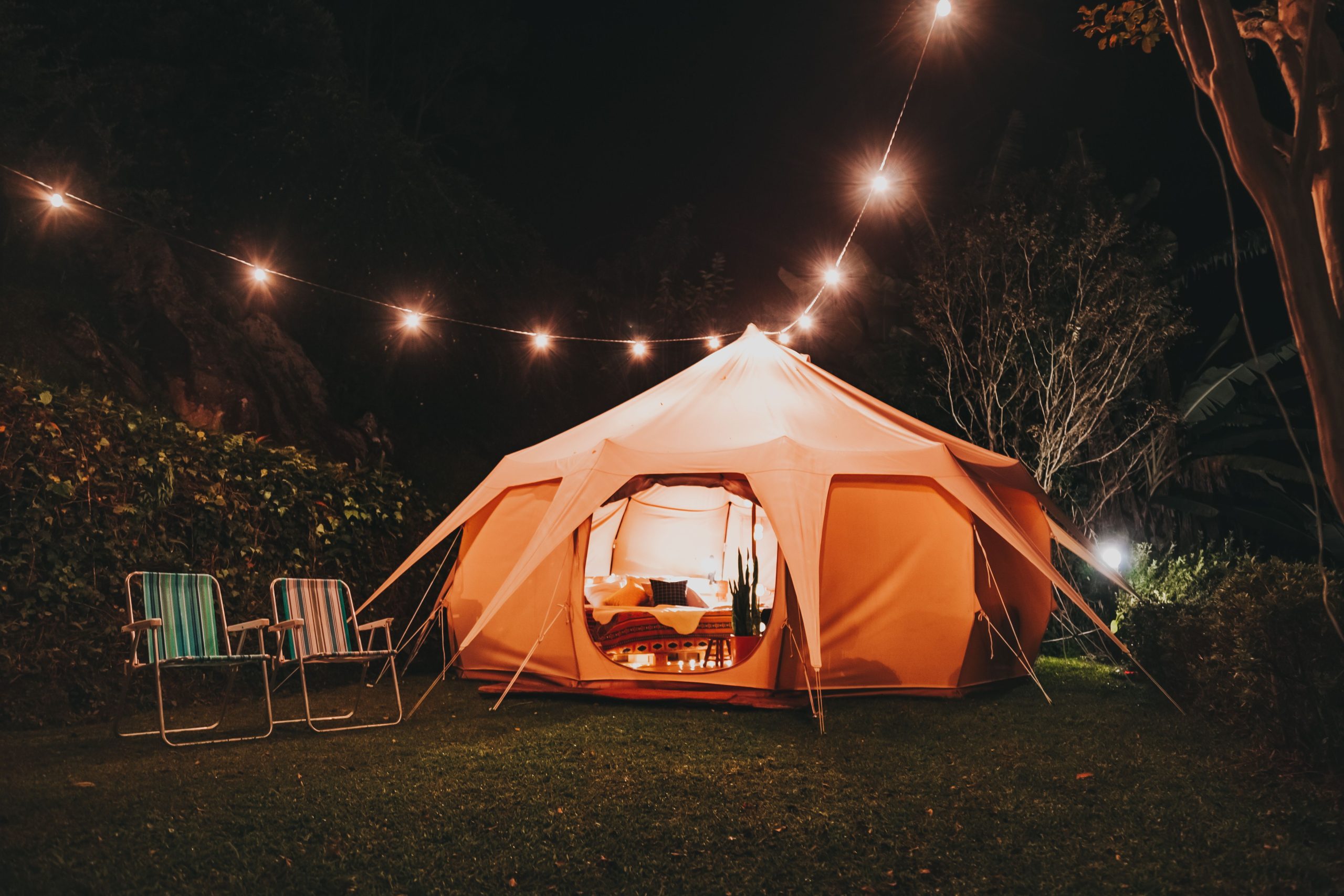
A private backyard basecamp gives you a place to practice camp skills, test gear, and unwind without driving to a trailhead. The trick is treating your yard like a real campsite: defined zones, safe fire placement, a comfortable sleeping spot, and enough privacy that you can actually switch off. This guide walks through how to set one up step by step.
Table of Contents
- Start With a Privacy Plan
- Map Your Basecamp Zones
- Build a Safe Fire Circle
- Create a Sleeping Nook
- Add Seating, Lighting, and Comfort
- Keep the Basecamp Quiet and Private
Start With a Privacy Plan
Privacy is what separates a backyard basecamp from a patio barbecue. Before you buy anything, walk the yard and note where neighbors can see into your camp area, where sound carries, and where the wind usually blows. Those three observations will shape almost every decision that follows.
Start with the boundaries you already have:
- Identify sightlines from upstairs windows and neighboring decks.
- Note the direction of prevailing wind so smoke and noise do not drift toward neighbors.
- Check local rules on fences, fire use, and overnight camping in your yard.
If the existing fence leaves gaps, a solid screen can close them quickly. Many homeowners choose composite fencing for this job because it resists rot and needs far less upkeep than untreated wood. A tall, solid run along the side of the camp area blocks views and muffles conversation without making the yard feel closed in.
Map Your Basecamp Zones
A basecamp works best when each activity has its own space. Splitting the yard into zones keeps the fire area away from sleeping gear, keeps food away from the tent, and gives you a clear path between them at night. Use the table below as a starting plan.
Build a Safe Fire Circle
The fire circle is the heart of most backyard basecamps, and it is also where most avoidable problems start. Fire safety guidance is consistent across agencies, so it is worth following closely:
- Keep the fire at least 10 feet from structures, fences, tents, and overhanging branches.
- Use a fire pit screen to contain sparks and embers.
- Set up on noncombustible ground, not on a wooden deck or dry grass.
- Keep water, a hose, or a shovel with dirt nearby at all times.
- Never use gasoline or lighter fluid, and do not burn trash, treated lumber, or painted materials.
Before lighting anything, check with your local fire department, since some towns require permits or ban open fires during dry or windy weather. The National Fire Protection Association recommends confirming local rules first, and the U.S. Fire Administration offers simple guidance on keeping campfires and fire pits well clear of tents and shrubs.
Create a Sleeping Nook
Your sleeping spot does not need to be elaborate, but it should be level, dry, and away from foot traffic. Choose one of these setups based on your gear and comfort level:
- Tent: Pitch on a flat patch of lawn, and place a footprint or tarp underneath to protect the floor.
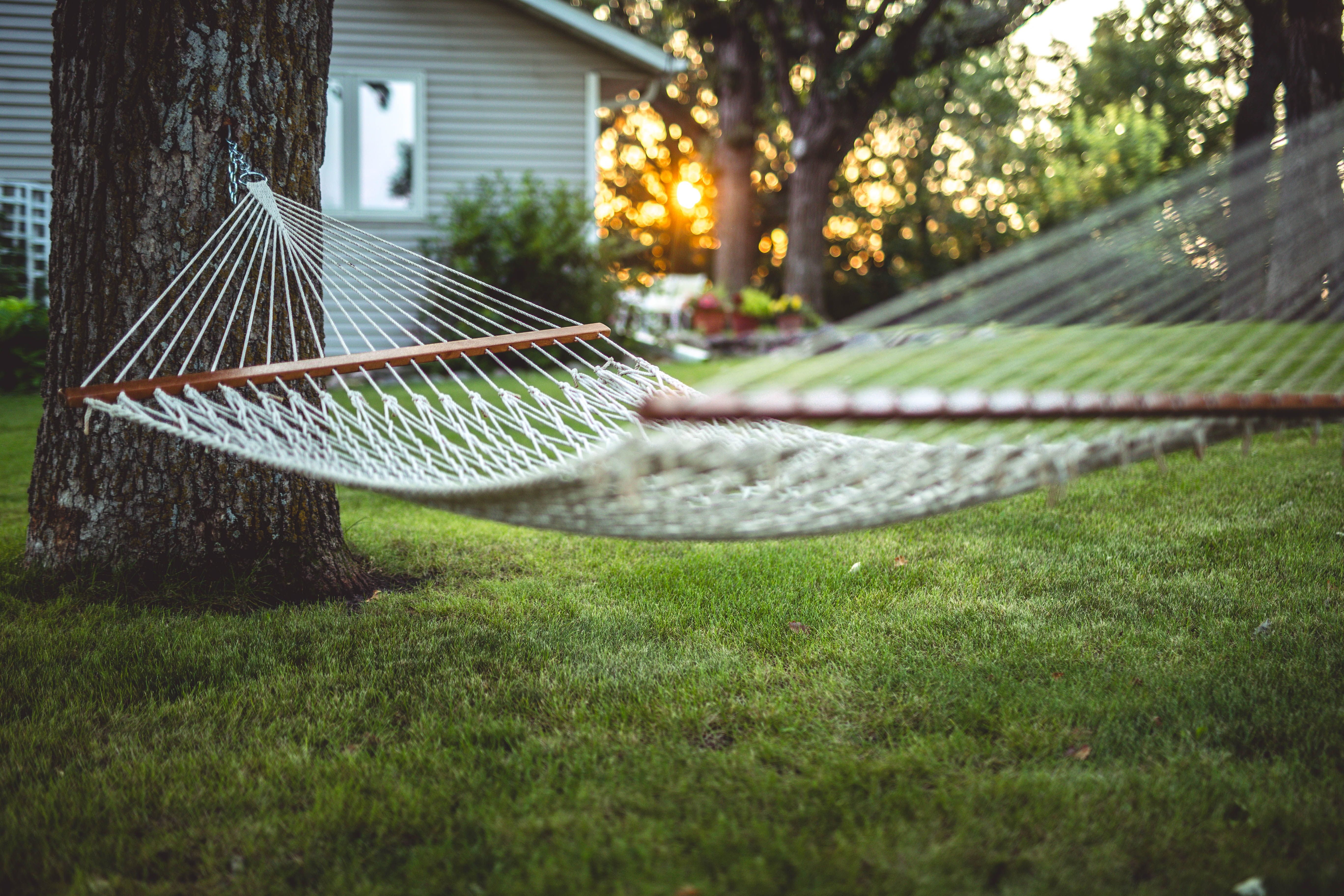
- Hammock: Use wide, tree-friendly straps and a healthy tree at least 6 inches in diameter, and keep the sag comfortable rather than drum-tight.
- Sleeping pad or cot: Good for a quick overnight, especially if the ground is damp.
- Tarp shelter: A simple ridgeline and tarp can cover a sleeping bag if rain is unlikely but dew is heavy.
Hammocks are especially useful for practice, because the setup is quick and your sleep system is easy to adjust. Hammock campers generally recommend a 10 to 15 degree body angle for comfort and a light underquilt for warmth, since air moves underneath you and cools you faster than you might expect.
Add Seating, Lighting, and Comfort
Once the core pieces are in place, comfort details make the basecamp feel like a destination. Focus on the items you will actually use after dark:
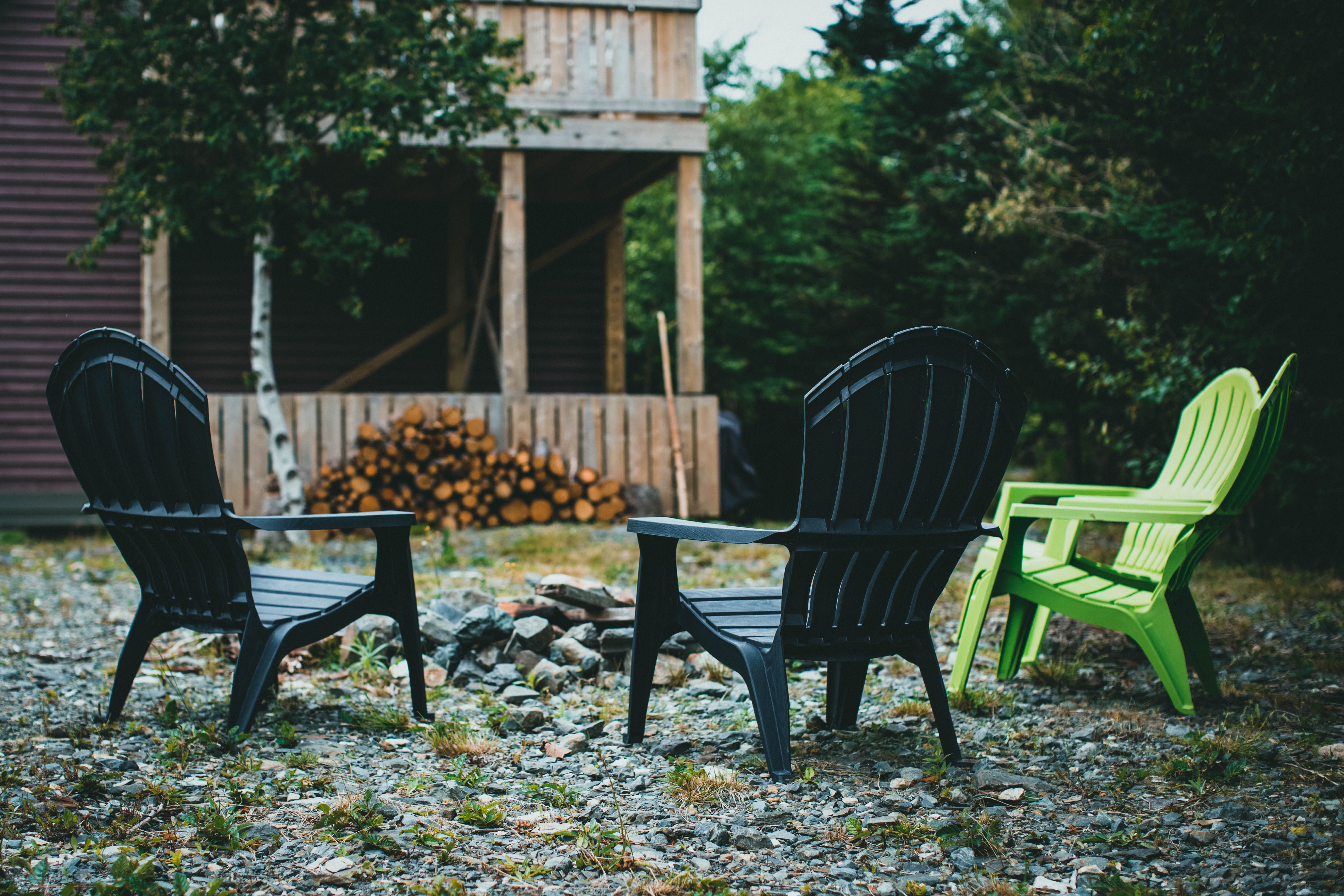
- Seating: Camp chairs or Adirondack chairs keep people around the fire and off damp ground.
- Lighting: Lanterns and string lights define paths and reduce trip hazards. Keep a headlamp in each tent.
- Table space: A small folding table keeps cooking supplies, snacks, and first aid items in one place.
- Insect control: A screen shelter or citronella placed away from the fire keeps mosquitoes manageable.
Keep the lounge area a few steps back from the fire so people can move around without tripping over lines or stepping into the heat.
Keep the Basecamp Quiet and Private
Privacy works both ways. A basecamp that respects the neighbors is one you can keep using for years. Set quiet hours, keep music at conversation volume, and let people know ahead of time if you plan a late fire. Choose a small group for overnight stays, and make sure everyone knows where the water source, first aid kit, and exit path are located.
Finally, reset the yard after each trip. Cool ashes completely, store fuel and tools in a locked spot, and walk the perimeter to check for embers or trip hazards. A basecamp that is easy to reset is one you will want to return to on the next clear weekend.
Your backyard can become the most convenient campsite you own. Start with the privacy and fire basics, build your zones one at a time, and let the space grow with your gear and your skills.