
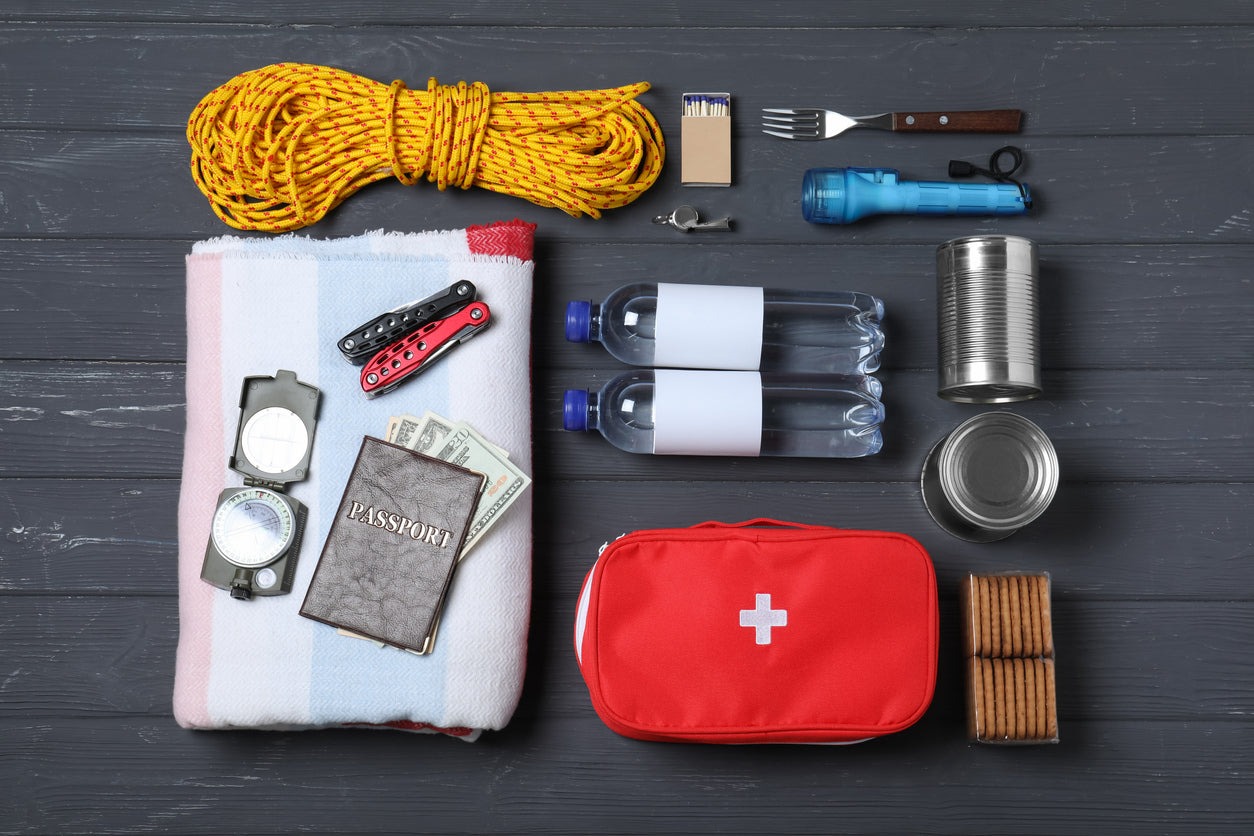
An effective emergency kit is not about worst-case imagination. It is about covering the most common failure points that actually happen during power outages, vehicle breakdowns, storms, heat waves, winter freezes, and short-term disruptions to water, electricity, and mobility.
The supplies worth keeping at home and in your car are the ones that solve immediate problems in the first 24 to 72 hours, when help is delayed, and normal services are unavailable.
The list below focuses on items that repeatedly show up in emergency response data, insurance reports, and after-action reviews from real incidents.
1. Water Supply With Proper Storage Containers

Lack of clean water becomes a problem faster than food in almost every emergency scenario. FEMA and the CDC both recommend a minimum of 1 gallon of water per person per day, with at least a 3-day supply at home. In vehicle emergencies, dehydration risk increases due to heat, stress, and delayed assistance, even in moderate climates.
Bottled water alone is not sufficient long-term. Plastic bottles degrade when exposed to heat, especially in cars. Rigid, food-grade water containers with tight seals reduce contamination risk and tolerate temperature swings better. In winter climates, partially filled containers prevent cracking during freezing.
| Scenario | Recommended Amount | Storage Notes |
| Home sheltering | 3–7 gallons per person | Cool, dark area, rotate every 6–12 months |
| Car emergency | 1–2 gallons total | Insulated container, avoid direct sun |
| Medical needs | Extra 1 gallon per day | Needed for wound care, medications |
2. Shelf-Stable Food That Requires No Cooking

Emergency food fails most often because it requires preparation. During outages, cooking equipment may be unusable or unsafe. The most reliable emergency foods are ready-to-eat, calorie-dense, and have long shelf lives without refrigeration.
Studies after hurricanes Katrina and Sandy showed that canned goods, protein bars, nut butters, and ready meals were consumed first, while dry staples requiring boiling water were often wasted. For vehicles, foods must tolerate temperature extremes without melting or spoiling.
| Food Type | Shelf Life | Suitable For Car |
| Canned meals | 2–5 years | Yes, rotate yearly |
| Protein bars | 1–2 years | Yes, avoid chocolate |
| Nut butter packets | 1–2 years | Yes |
| Freeze-dried meals | 20+ years | No water limits usefulness |
3. Battery-Powered Or Hand-Crank Light Sources
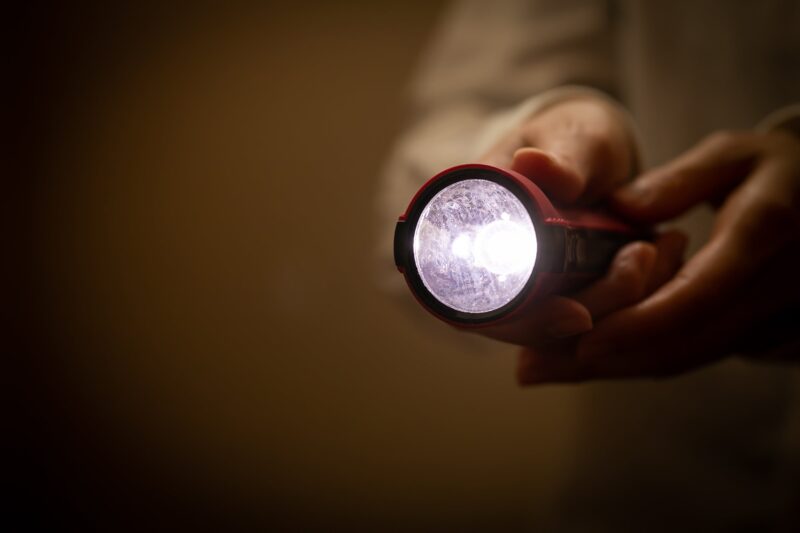
Loss of lighting is one of the earliest and most disruptive effects of power failure. Falls and injuries increase sharply during blackouts, especially among older adults. According to U.S. Consumer Product Safety Commission data, emergency room visits related to falls spike during prolonged outages.
Flashlights should be paired with headlamps to keep hands free. Candles are consistently linked to post-disaster fires and are not recommended by fire departments.
| Light Source | Runtime | Risk Profile |
| LED flashlight | 10–40 hours | Low |
| Headlamp | 6–30 hours | Low |
| Lantern | 20–100 hours | Low |
| Candle | 3–6 hours | High fire risk |
4. First Aid Kit With Trauma Focus
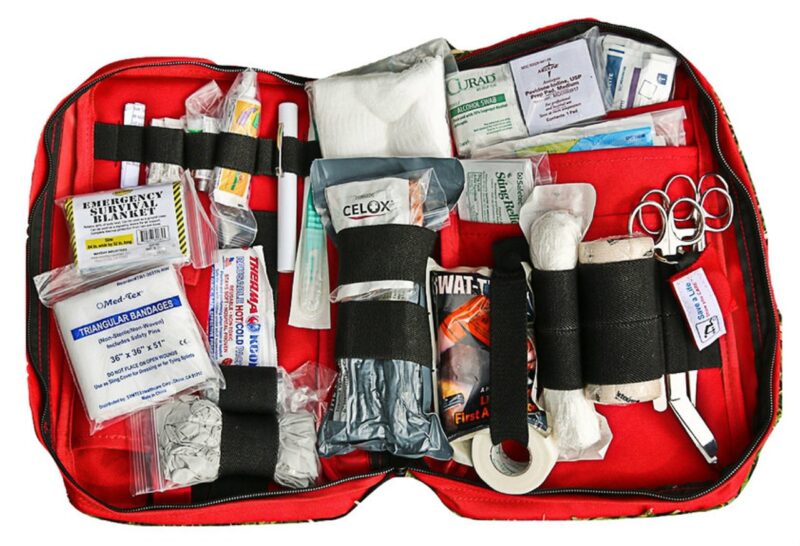
Most injuries during emergencies are not dramatic, but they escalate quickly when untreated. Cuts, burns, sprains, and minor fractures account for the majority of cases reported by emergency shelters and field clinics.
A basic first aid kit is not enough. Trauma supplies such as compression bandages, antiseptics, gloves, and blister care reduce complications. In vehicles, first aid is critical because response times after accidents vary widely by location.
| Item Category | Why It Matters |
| Compression bandages | Control bleeding |
| Antiseptics | Prevent infection |
| Pain relievers | Maintain function |
| Gloves | Reduce contamination |
| Burn dressings | Common injury type |
5. Backup Power And Charging Options
Communication failures worsen emergencies. During the 2021 Texas winter storm, cell towers remained operational longer than households had power, but many residents could not charge their phones. Power banks and vehicle chargers bridge this gap.
Solar chargers are useful but unreliable in dense urban areas and bad weather. High-capacity power banks with slow self-discharge perform better in storage.
| Power Option | Capacity Use Case |
| Power bank 10,000–20,000 mAh | Phones, small devices |
| Car charger | Works if the vehicle starts |
| Hand crank radio | Information access |
6. Emergency Radio For Information Access
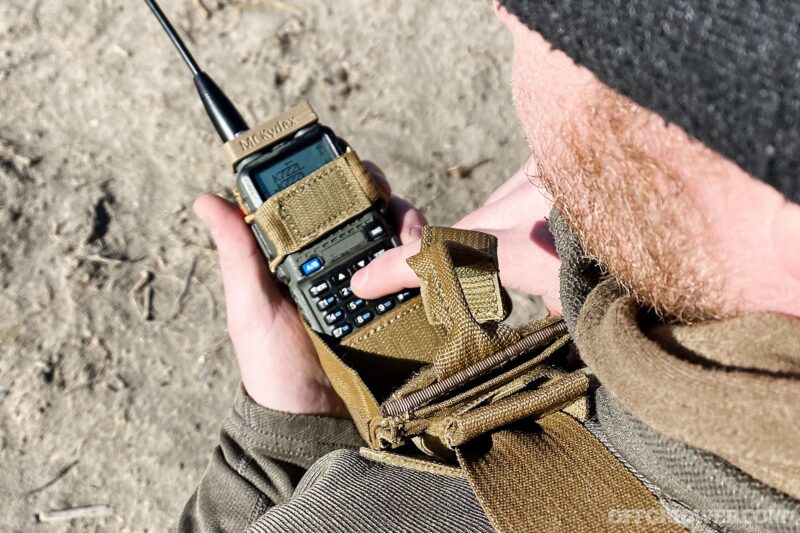
Information determines safety decisions. NOAA weather radios and AM FM emergency radios provide updates when the internet and cellular networks fail. During wildfires and severe storms, evacuation orders are often broadcast on the radio before digital alerts reach users.
Hand crank or battery-powered radios ensure access even when charging is unavailable.
| Feature | Importance |
| NOAA alerts | Severe weather warnings |
| AM FM bands | Local updates |
| Hand crank | Power independence |
7. Essential Medications And Medical Documentation
Interruptions to medication access cause more emergency room visits than injuries during disasters. After Hurricane Maria, medication shortages were a leading health issue in Puerto Rico.
Emergency kits should include at least a 3 to 7 day supply of essential medications, copies of prescriptions, and basic medical information. For vehicles, small labeled pouches prevent loss and confusion.
| Item | Purpose |
| Medication supply | Continuity of care |
| Prescription copies | Refills |
| Medical info card | Emergency treatment |
8. Warmth And Weather Protection Supplies
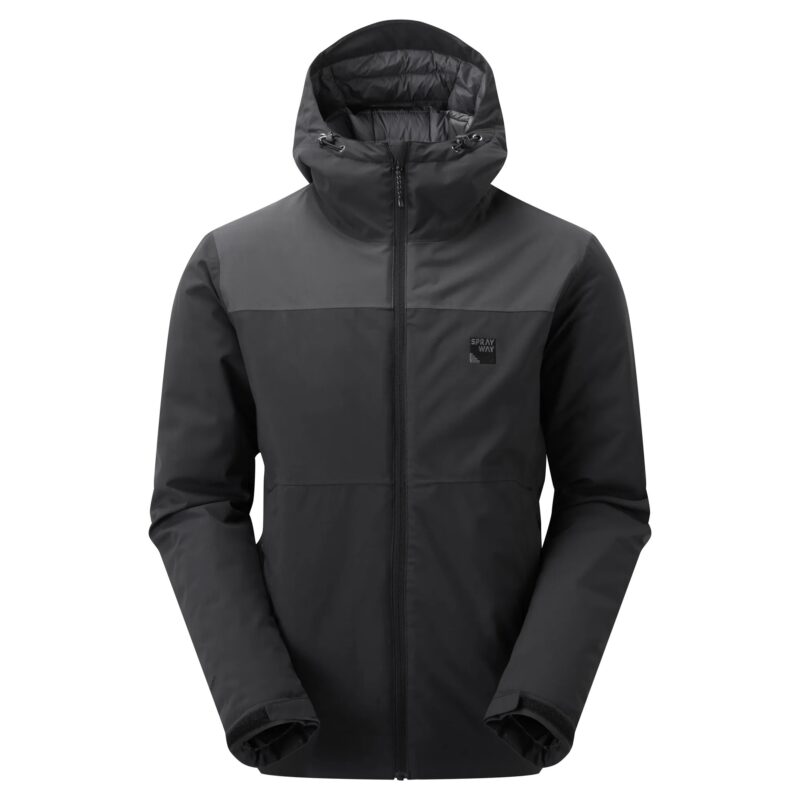
Exposure is a major risk even in non-extreme climates. Vehicle breakdowns during winter and summer heatwaves account for thousands of emergency calls annually. Simple insulation and shade reduce energy loss and heat stress.
Emergency blankets, gloves, ponchos, and spare clothing are compact and effective.
| Climate Risk | Useful Item |
| Cold | Thermal blanket, gloves |
| Heat | Shade tarp, hat |
| Rain | Poncho, waterproof layers |
9. Tools And Basic Repair Items
Small failures become big problems without tools. During evacuations and breakdowns, people frequently report being unable to perform simple tasks such as cutting seatbelts, opening jammed doors, or tightening loose parts.
Multi tools, duct tape, zip ties, and a basic wrench cover a wide range of scenarios with minimal space.
| Tool | Common Use |
| Multi tool | Cutting, gripping |
| Duct tape | Temporary repairs |
| Zip ties | Securing items |
| Wrench | Vehicle adjustments |
10. Documentation, Instructions, And Preparedness Materials
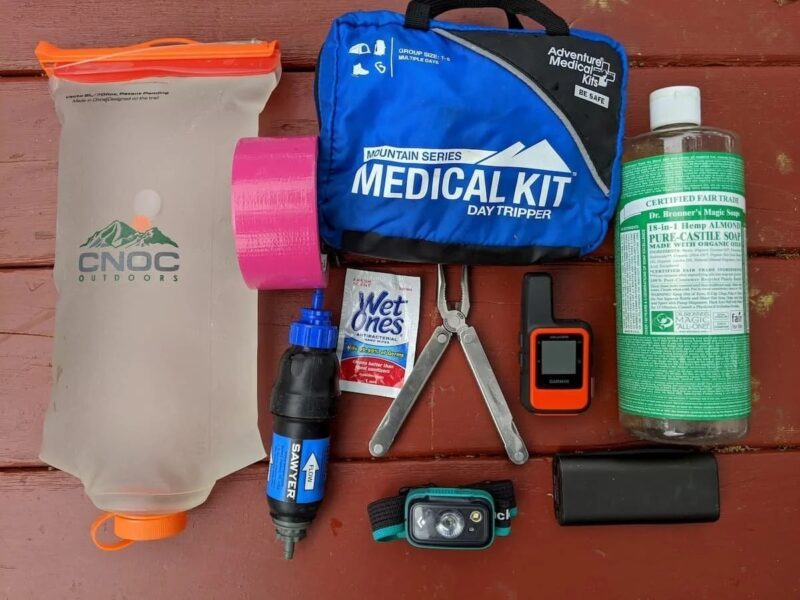
Emergency supplies are often underused because people forget how to use them under stress. Clear printed instructions, emergency contacts, and checklists improve response speed. Households that prepare written guides report faster decision-making during evacuations, according to Red Cross field surveys.
This is where simple printed materials matter. Some households create a single page emergency plan or small guide that explains shutoff valves, meeting points, and kit locations. Tools like a brochure maker allow people to format clear, durable instruction sheets that can be printed and stored with the kit or laminated for vehicles.
| Document Type | Why It Helps |
| Emergency contacts | Quick communication |
| Home shutoff guide | Prevents damage |
| Kit inventory | Avoids missing items |
| Evacuation plan | Reduces confusion |
Bottom Line
An emergency kit only works if it matches how emergencies actually unfold. Most disruptions are short, chaotic, and defined by loss of power, limited mobility, delayed assistance, and poor information flow.
The supplies that matter most are the ones that keep you hydrated, fed without cooking, informed, medically stable, and able to communicate during the first 24 to 72 hours.
Keeping the same core items at home and in your car closes the most common gaps seen in real incidents, from blackouts and storms to vehicle breakdowns. Preparedness here is not about excess. It is about removing predictable points of failure before they turn routine problems into emergencies.